
The Community Campus Model
Community Campuses are high-support learning hubs designed specifically for justice-engaged youth and justice-adjacent peers (ages 14–21).
What is a
Community Campus?
Community Campuses are welcoming, high-support learning hubs designed for justice-engaged youth (and justice-adjacent peers) ages 14–21. We help students reclaim a path to a high school diploma and economic mobility through customized schedules, wraparound services, and real-world credentials.
Nationally, only about 1 in 5 justice-engaged students graduate high school—rates are even lower for youth locked up for 30+ days. Lack of a diploma limits health, earnings, and opportunity. Our model offers a fresh start—with the supports to make it stick.

Student Eligibility
Age: 14–21
Designed for: Justice-engaged students (as defined by HB24-1216: any involvement with the justice system, including adjudication, probation, ticketing, detention, diversion, commitment, or community supervision) and justice-adjacent youth (close friends/family of justice-engaged students).
Cost: Free. This is a publicly funded school.
Diploma path: Credit and graduation are awarded through WonderEd (Cognia-accredited). A GED Next option may be available if it’s a better fit.

Programming
Community Campus students have access to:
Credit-bearing courses tailored to how each student learns best (leading to a WonderEd diploma).
Certification programs, internships, and support for college credit.
Job readiness support, including resume help, interview prep, and employer connections.
Mental health and substance use support through on-site/on-call clinicians and connections to treatment.
Legal navigation support through coordination with probation/courts and help understanding plans and requirements.
Basic needs and well-being through food banks, shared meals, a self-care space, and daily check-ins to build skills around communication, conflict resolution, and healthy habits.
Tutoring, mentoring, and individualized support from staff and community mentors.
Class Schedule

Hours: Generally 9:00 AM–4:00 PM.
Each student gets a custom schedule that may include on-site learning, certification programs, college coursework, internships, and community experiences.
Additional supports are scheduled, some are drop-in, and others are coordinated through a case plan with your advocate/case manager.

How to Enroll
1) Complete the quick online form (takes a few minutes).
2) Connect with a staff member who will guide you through documents and next steps.
3) Build your personalized plan—academics, supports, and career pathway.
Referrals welcome: Probation officers, caseworkers, and schools can start the process via the same form or by calling a campus director (contact information below).
In the middle of an expulsion hearing? Reach out. In many cases we can coordinate enrollment while we work with your previous school and the courts to support a smooth transition.
Unsure of what documentation you need? We’ll walk you through it after you submit the initial enrollment form.
Partnerships
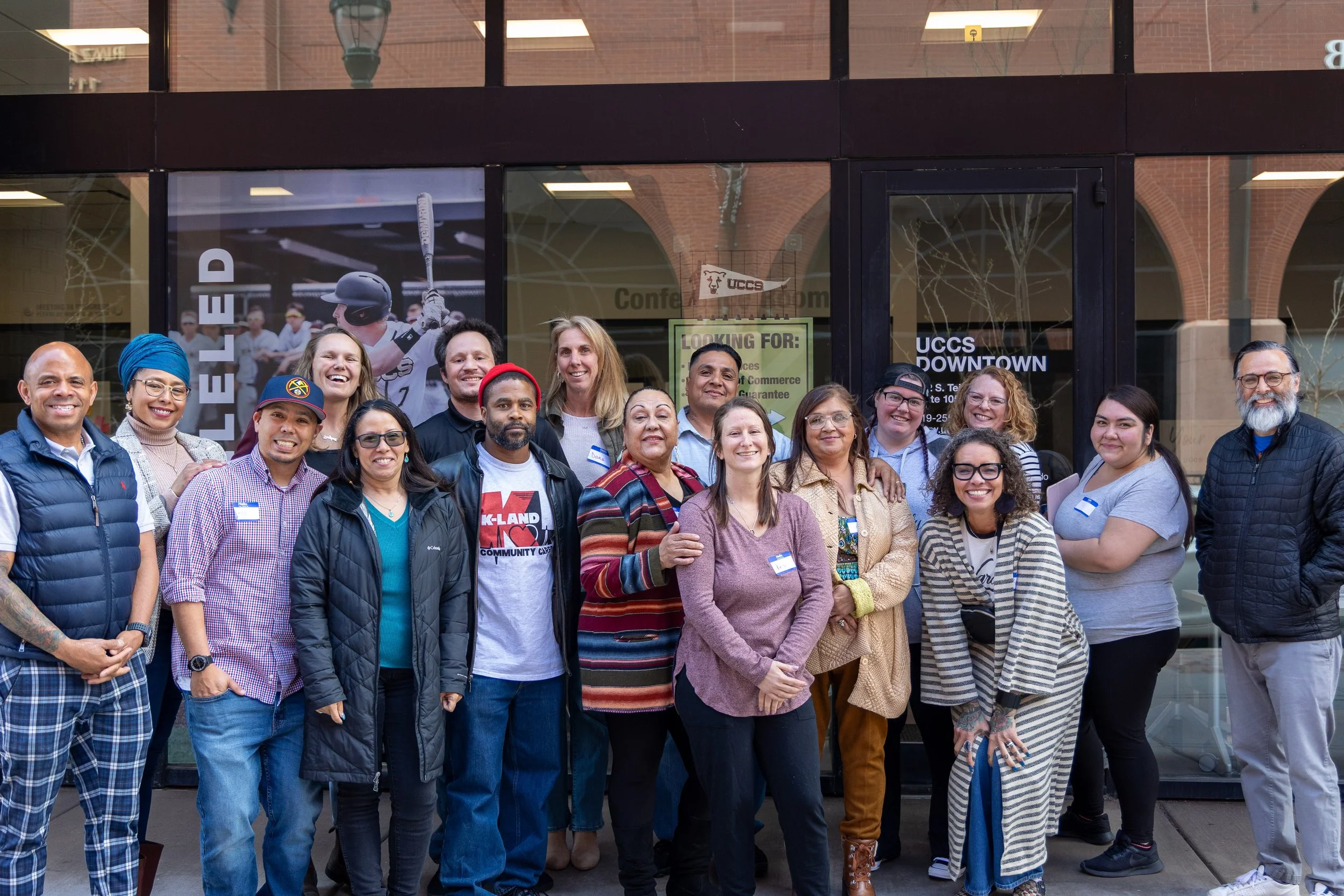
We work with WonderEd to award Cognia-accredited credit and high school diplomas. Students may also pursue GED Next if that’s the right fit. Beyond academics, we collaborate with community partners for vocational training, certifications, mental health services, legal navigation, and employment pathways.
Interested in partnering or sponsoring? We’re seeking employers, training providers, service agencies, volunteers, and sponsors to expand credentials, internships, and wraparound supports.

Safety & Belonging
Safety first: Secure buildings with controlled entry; only students, staff, and approved volunteers are admitted. Our facility hosts have deep experience serving justice-engaged youth. Clinicians/counselors are on-site or on-call, and staff coordinate directly with government agencies to understand needs and treatment plans.
Healing-centered environment:
Daily check-ins to practice communication, conflict resolution, and healthy habits
Self-care spaces on each campus
Personalized plans connecting each student to wraparound supports
Community-based activities and service projects for reintegration
Student voice built-in: The pilot year (2025–26) is intentionally flexible. Schedules, opportunities, and learning experiences are co-designed with students—and we iterate based on what’s working for them.
Additional Info
CONTACT:
Aurora Campus:
Enrollment: Danielle Mason, 720-667-6920
Location: ACO House, 2260 Dayton Street, Aurora, CO 80010
Colorado Springs Campus:
Enrollment: Serena Galindo, 303-320-0829
Location: Sand Creek Library, 1821 S Academy Blvd, Colorado Springs, CO 80916
MESSAGE TO THE COMMUNITY:
This is an innovative pilot developed in response to HB24-1216.
Led by Generation Schools Network (GSN) with established community partners and government agencies.
Volunteers and sponsors are needed to expand opportunities.
Our staff includes people with lived experience.
Generation Schools Network (GSN) is leading the development and pilot of the Community Campus model in partnership with agencies, community organizations, and school personnel. Our goal is a replicable model—scaled by judicial district—to support the 20,000+ justice-engaged youth in Colorado in earning meaningful credentials and advancing toward economic mobility.